
The Best Keyword Research Tools in October 2026 (Free + Paid)

By Bennett Cohen
Get Maintouch
Turn search and AI visibility work into a repeatable growth system.
Dog-earing spreadsheets full of keywords doesn't make content rank. You've been using Google Keyword Planner or one of the paid alternatives, and the research part works fine. The breakdown happens after you identify the keywords and before anything ranks. I compared the tools people actually use to see which ones simply surface data and which ones handle the work that comes after the research phase.
TLDR:
- Google Keyword Planner is free but caps volume data unless you run ads
- SEMrush and Ahrefs offer deep keyword databases but stop at showing you data
- Most tools make you export spreadsheets then hire someone to write the content
- Maintouch automates the full cycle from keyword research to published content that ranks
- The system optimizes for both traditional search and AI citations in ChatGPT and Perplexity
What Are Keyword Research Tools?
Keyword research tools show you what people type into search engines when looking for products, services, or answers.
They pull data on search volume (how many people search for a term monthly), competition level, and related queries. The good ones also show what's ranking, what features appear in results, and what competitors target.
You get free tools for basic lookups or paid options for competitor gap analysis, SERP tracking, and content recommendations. The point is making decisions based on what people actually search instead of guessing.
How We Compared the Best Keyword Research Tools
I looked at what actually matters when you're comparing keyword tools.
Database size and keyword coverage matter when you're in a specific niche. Some tools have gaps. Search volume accuracy tells you how close the numbers are to Google Keyword Planner data. Keyword difficulty scores help you pick winnable targets if the tool doesn't inflate the numbers. SERP analysis shows what's ranking and what features appear in results. Competitor research lets you see what others rank for and where the content gaps are.
Pricing and value varies by tier and what different teams need.
Best Overall Keyword Research Tool: Maintouch
I grew up watching my dad's agency clients pay for keyword research that sat in spreadsheets for months. Maintouch fixes that with a self-learning content engine.
The General Agent finds opportunities, then creates and publishes high-quality content that ranks for them while avoiding AI slop in content marketing. No export, no handoff, no separate tools.
It pulls data from three places other tools ignore: competitor rankings, your sales calls for actual customer language, and zero-volume Search Console queries. Those single-impression keywords show what people ask ChatGPT and Perplexity before they hit Google.
The content engine then optimizes for traditional search and AI citations in one workflow. Maintouch also offers AI Visibility as a standalone product with public API access for enterprises running large-scale citation tracking experiments across ChatGPT, Perplexity, and Google AI Overviews. After you edit drafts, the system learns from your changes and updates its voice guidelines for consistent quality.
Maintenance runs automatically. The General Agent tracks exact publication and update timestamps across all content, which powers accurate content lifecycle analysis and refresh prioritization without manual tracking. Posts with declining impressions after 90 days get flagged with automatic content refresh suggestions. Internal linking builds itself using Search Console anchor data.
Google Keyword Planner
Google Keyword Planner is a free tool inside Google Ads that gives you search volume estimates, competition data for paid ads, and keyword suggestions straight from Google.
You type in seed keywords or a URL and get back related terms with monthly search ranges. It's built for Google Ads campaigns but works for SEO research.
Good for: Getting free keyword data when you're okay with volume ranges instead of exact numbers.
Limitation: Google shows search volume ranges unless you're running active ad campaigns. The competition scores reflect paid ad difficulty, not organic ranking difficulty.
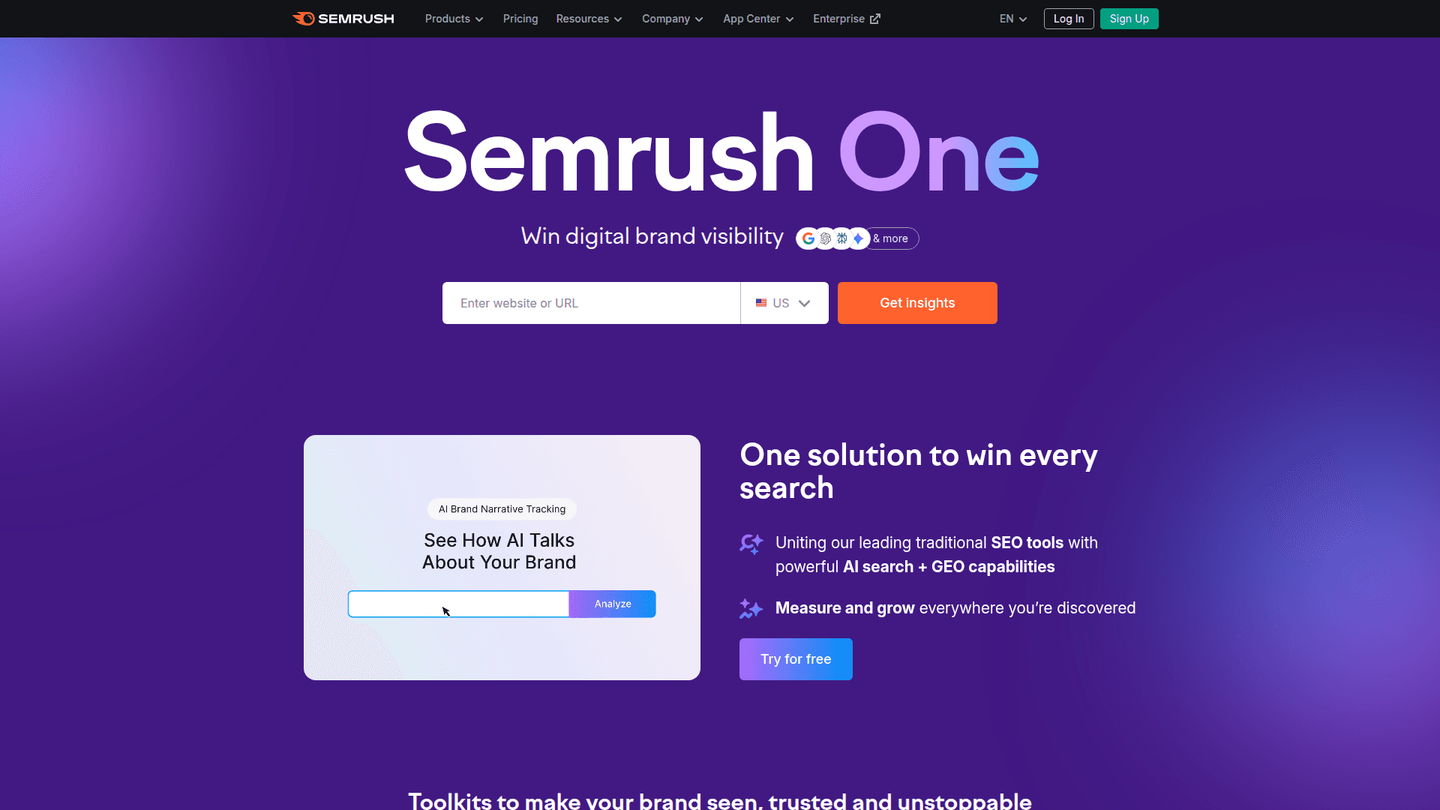
SEMrush
SEMrush indexes a database of over 25 billion keywords across more than 140 countries, according to its own reporting. The Keyword Magic Tool spins out thousands of variations from one seed term, with difficulty scores, SERP features, and intent tags. Keyword gap analysis shows what your competitors rank for that you're missing.
Good for: Agencies and larger businesses running both SEO and PPC who have $129.95/month to spend.
Limitation: SEMrush sits at 4.6/5 stars but takes 2-3 weeks to learn at a usable level. Moz scores 4.5/5 and feels easier but gives you less data. The feature depth intimidates beginners.
Bottom line: SEMrush gives you the deepest keyword data you can get, but it's built for people who already know SEO.
Ahrefs Keywords Explorer
Ahrefs Keywords Explorer pulls from a database Ahrefs reports at roughly 28 billion keywords. You'll get instant clustering and accurate volume data.
What you get:
- Keyword difficulty scores tied to backlink counts of ranking pages
- Traffic potential showing what the #1 result actually pulls in
- Parent topic suggestions so you target the right page
- 12-month average volume, not single-month spikes
Good for: Teams that already care about backlinks and want difficulty scores based on link-building effort.
Limitation: Difficulty is backlink-only. Doesn't factor content quality or on-page signals. Starts at $29/month, but real features live on higher tiers.
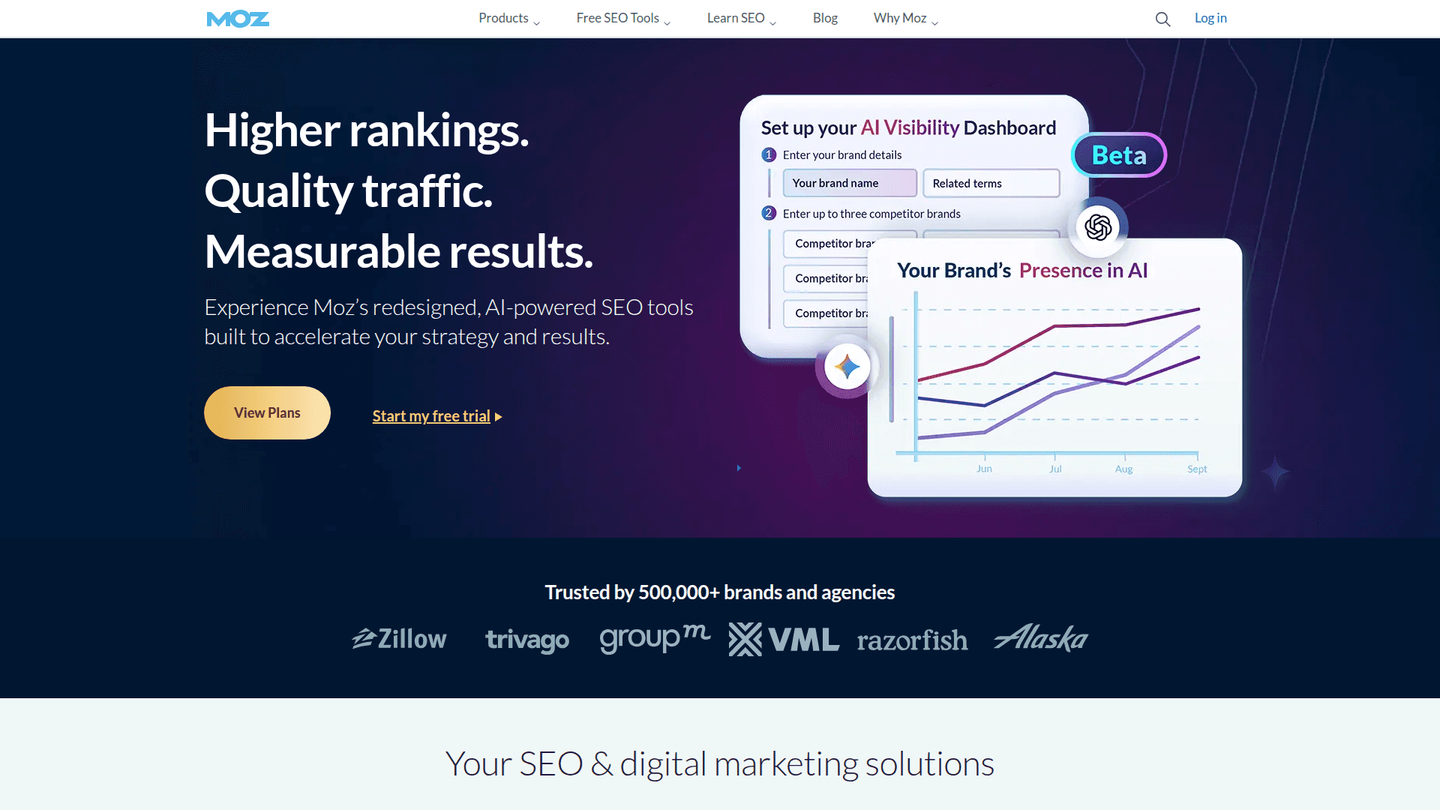
Moz Keyword Explorer
Moz Keyword Explorer gives you a priority score that combines volume, difficulty, and opportunity into one number. You get organic CTR estimates, SERP breakdowns with Domain Authority and Page Authority scores, and relevance ratings.
The interface feels cleaner than SEMrush. List management and filtering work without a learning curve.
Good for: Small to mid-sized businesses who want proprietary metrics like Domain Authority to quickly assess ranking potential.
Limitation: Moz indexes 1.25 billion keywords. SEMrush has 27.9 billion. That gap shows up in suggestion depth and long-tail discovery. Lower-tier plans restrict keyword queries.
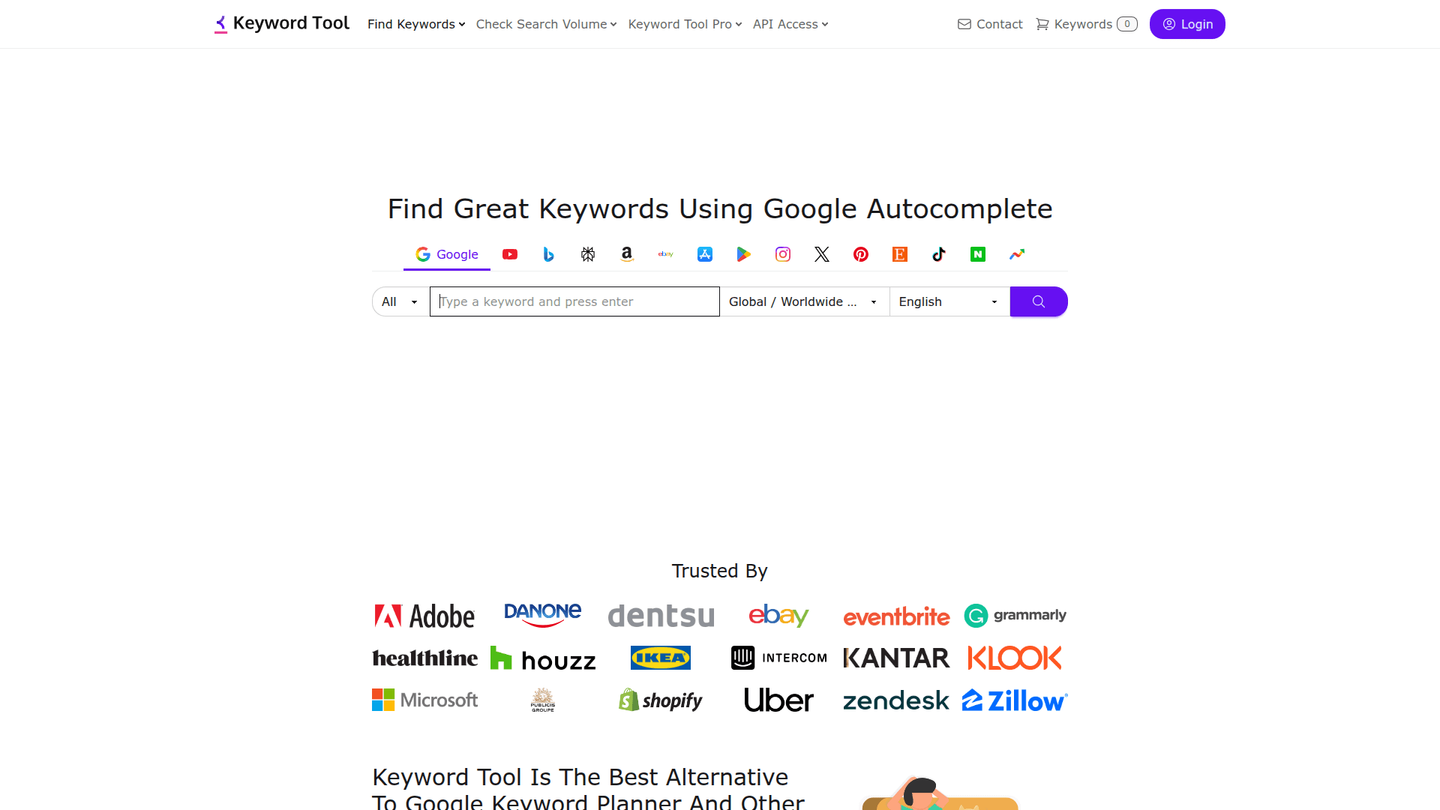
Keyword Tool (keywordtool.io)
Keyword Tool pulls from Google's autocomplete feature to generate hundreds of long-tail keyword suggestions per search term across YouTube, Amazon, Instagram, and Twitter.
You get question and preposition keyword tabs for content ideas, plus support for dozens of languages.
Good for: Content creators who want autocomplete-based long-tail ideas across multiple search channels.
Limitation: The free version hides search volume, competition, and CPC data. Paid plans start at $69/month for metrics that other tools include at lower price points.
Bottom line: Use it as a supplement for autocomplete suggestions, not your primary research tool.
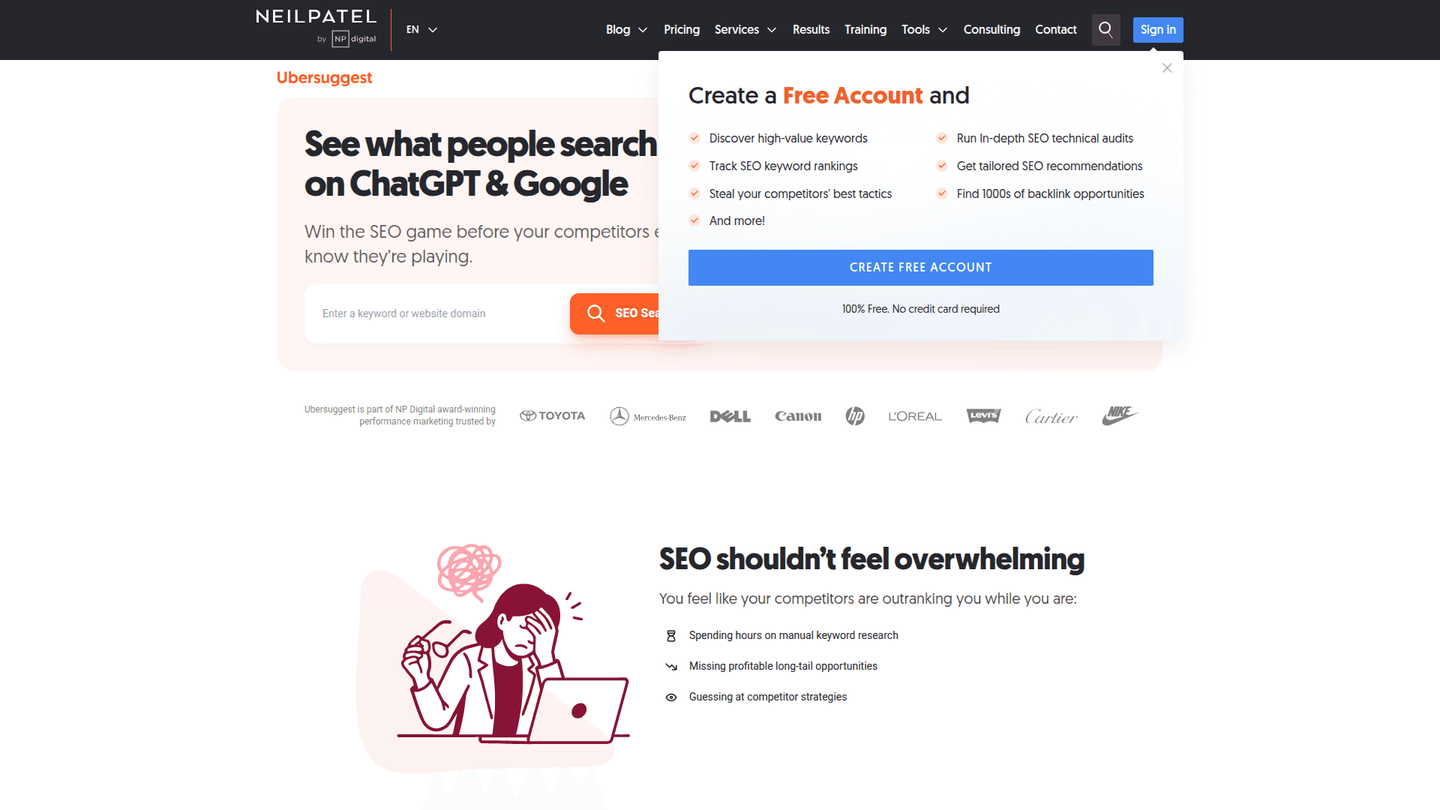
Ubersuggest
Ubersuggest is Neil Patel's freemium SEO tool with lifetime purchase options instead of monthly subscriptions.
You get keyword variations, SEO difficulty scores, content ideas ranked by social shares, domain overviews, and a Chrome extension for search data.
Good for: Solo entrepreneurs on tight budgets who prefer one-time payment over recurring costs.
Limitation: Difficulty scores only look at backlinks. Free tier caps you at 3 searches daily.
Bottom line: Works for beginners who want cheap access to basic data. Too simple for competitive niches.
Feature Comparison Table of the Best Keyword Research Tools
| Feature | Maintouch | Google Keyword Planner | SEMrush | Ahrefs | Moz | Keyword Tool | Ubersuggest |
|---|---|---|---|---|---|---|---|
| Automatic content execution | Yes | No | No | No | No | No | No |
| Search volume data | Yes | Yes | Yes | Yes | Yes | No (paid only) | Yes |
| Keyword difficulty metrics | Yes | No | Yes | Yes | Yes | No (paid only) | Yes |
| Competitor analysis | Yes | No | Yes | Yes | Yes | No | Yes |
| SERP feature tracking | Yes | No | Yes | Yes | Yes | No | No |
| AI citation optimization | Yes | No | Yes | No | No | No | No |
| Free tier available | No | Yes | No | No | No | Yes (limited) | Yes (limited) |
| Multi-channel research | Yes | No | Yes | Yes | No | Yes | Yes |
| Automatic publishing | Yes | No | No | No | No | No | No |
Google Keyword Planner gives you search volume and basic data without charging a dollar. SEMrush, Ahrefs, and Moz give you keyword difficulty and competitor insights but cost $100-600/month depending on tier. Keyword Tool and Ubersuggest offer limited free access. Maintouch handles the full cycle from research through automated publishing and AI citation optimization.
Why Maintouch Is the Best Keyword Research Tool
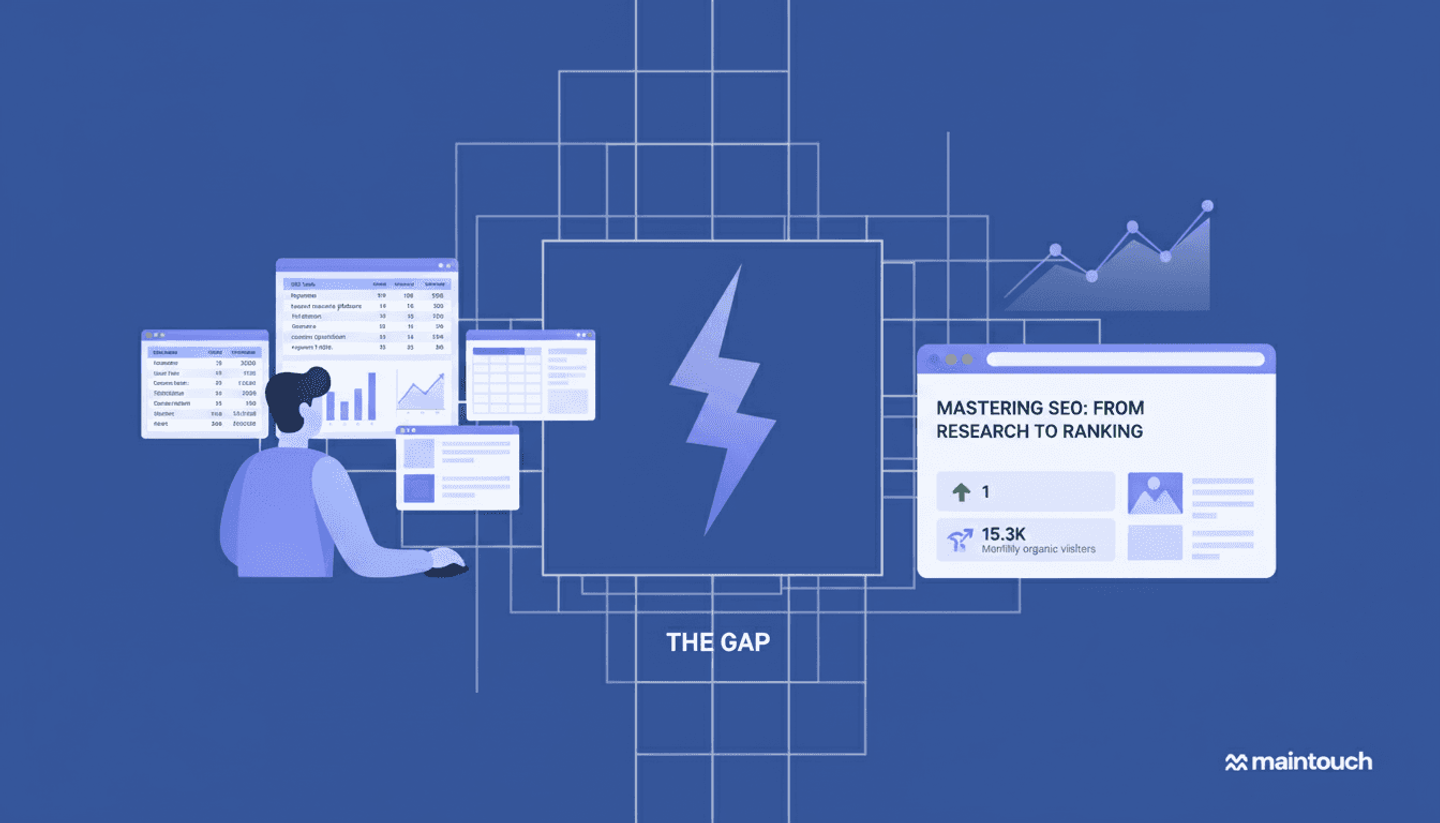
Full disclosure: I built Maintouch because nothing else closed the gap between research and results.
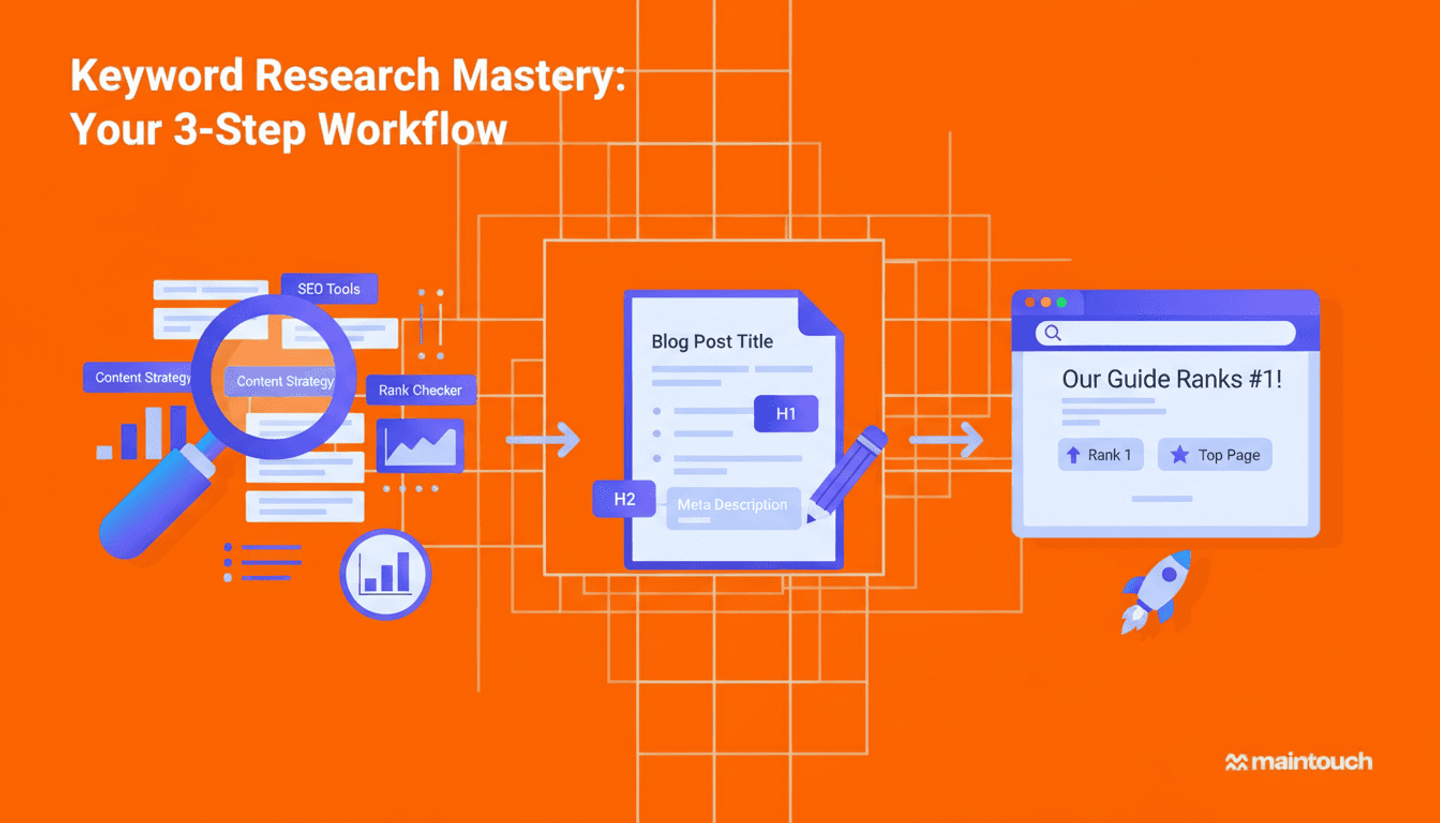
Every tool in this comparison gives you keyword data, then leaves you to figure out execution. You're still hiring writers, bribing them to follow SEO guidelines, editing drafts that miss the mark, managing CMS uploads, building internal links manually, and tracking what needs updates three months later.
That's not a keyword research problem. That's a labor problem disguised as a data problem.
Maintouch runs the full automated strategy from discovery through ranking content. The General Agent finds opportunities other tools miss by pulling from three sources: competitor rankings, your sales calls for actual customer language, and zero-volume Search Console queries that show what people ask ChatGPT before they hit Google. Those single-impression keywords are what trigger AI overviews and AI citations in Perplexity and ChatGPT.
The General Agent handles this discovery phase. After identifying opportunities, the content engine creates drafts optimized for traditional search and AI citations in one pass. You edit once, the system learns from your changes and updates voice guidelines so the next 50 posts get closer to your style without repeating the same edits.
The General Agent handles this discovery phase. After identifying opportunities, the content engine creates drafts optimized for traditional search and AI citations in one pass. You edit once, the system learns from your changes and updates voice guidelines so the next 50 posts get closer to your style without repeating the same edits. The Recipes system lets you codify your exact content production standards into reusable automation workflows so every piece of content matches your requirements without manual oversight.
Publishing happens automatically through CMS integrations across Webflow, Framer, and Sanity, with multi-collection support that routes different content types to different collections within your CMS for sophisticated site architecture. Internal linking builds itself using Search Console anchor data instead of guessing. When impressions drop after 90 days, the system flags content for refresh with concrete recommendations.
Compare that workflow to SEMrush or Ahrefs. You pay $129/month for keyword data, then typically hire a content writer in the $4,000-6,000/month range, another freelancer to handle publishing, and spend your own time managing the whole operation. Maintouch replaces that labor stack.
That cost gap matters when content output scales.
For B2B teams, compare the total tool cost to what you'd pay someone to do this work. One customer conversion covers the cost.
The difference between keyword research tools and Maintouch is the difference between a spreadsheet of opportunities and a system that turns opportunities into traffic without you managing freelancers or juggling six different tools. If you want to see what happens when research turns into published content automatically, book a quick walkthrough.
Final Thoughts on the Best Tools for Keyword Research
Most keyword research tools give you data and stop there. You still need writers, editors, and someone to handle publishing before anything ranks. The tools in this comparison work for different budgets and team sizes, but they all share the same limitation: research doesn't turn into results without execution. Book a quick walkthrough if you want to see what happens when the tool handles the full cycle from discovery to ranking content.
FAQ
Which keyword research tool works best for beginners?
Google Keyword Planner gets you started without spending a dollar, but you'll only see volume ranges instead of exact numbers. Ubersuggest works if you want cheap access to basic data and don't mind limited free searches.
How do I choose between SEMrush and Ahrefs for keyword research?
SEMrush gives you deeper keyword data (27 billion keywords vs Ahrefs' 28.7 billion) and covers both SEO and PPC, but takes longer to learn. Ahrefs focuses on backlink-based difficulty scores and feels more straightforward if you care about link-building effort.
What's the difference between keyword difficulty in paid tools?
Ahrefs bases difficulty purely on backlink counts of ranking pages. SEMrush looks at competition but ties it to paid ad difficulty metrics. Moz combines volume, difficulty, and opportunity into one priority score. None of them factor content quality or on-page signals the way ranking actually works in practice.
When should I use a free keyword tool versus paying for premium features?
Free tools work when you need basic volume lookups and autocomplete suggestions. Pay for premium when you're running competitor gap analysis, tracking SERP features, or need accurate difficulty scores to pick winnable targets in competitive niches.
Can keyword research tools actually create and publish content?
Most tools stop at showing you data and you still hire someone to write, optimize, and publish. Maintouch closes that gap by running research through to published content that ranks for both traditional search and AI citations without the labor overhead.
How accurate is search volume data across different keyword tools?
Google Keyword Planner provides the baseline data most tools reference, but shows ranges instead of exact numbers unless you run ads. SEMrush and Ahrefs use their own databases with slight variations in volume estimates. The differences are usually within 10-20%, which matters less than understanding search intent and competition level.
Do I need different tools for long-tail keyword research?
Not really. SEMrush, Ahrefs, and Maintouch all surface long-tail variations from seed keywords. Keyword Tool focuses on autocomplete-based long-tail suggestions across multiple channels. The difference is volume: larger databases like SEMrush and Ahrefs will show you more long-tail options than smaller tools like Moz or Ubersuggest.
Can multiple team members use these keyword research tools?
Most paid tools offer team plans with shared access, but pricing jumps sharply. SEMrush and Ahrefs charge per seat. Maintouch includes team access in its pricing since the whole point is replacing the labor stack, beyond giving one person research data.
What's the real cost difference between doing keyword research manually versus using a paid tool?
Manual research through Google Keyword Planner and Search Console is free but takes hours per content piece. A freelancer or employee doing that research costs $50-150/hour. Paid tools at $100-200/month save time but you still pay for content creation and publishing separately. The math changes when one system handles research through publishing.

About the author
Bennett Cohen
CEO and Founder at Maintouch
Turn search into your best growth channel.
Maintouch tracks your visibility across AI and Google, creates and refreshes content, and gets your brand mentioned on the sites that shape discovery.
Book a demoRelated reading
All posts