
How to Get Cited in ChatGPT Responses: Proven Strategies for

By Bennett Cohen
Get Maintouch
Turn search and AI visibility work into a repeatable growth system.
You rank third on Google. Someone asks ChatGPT the same question. You don't show up.
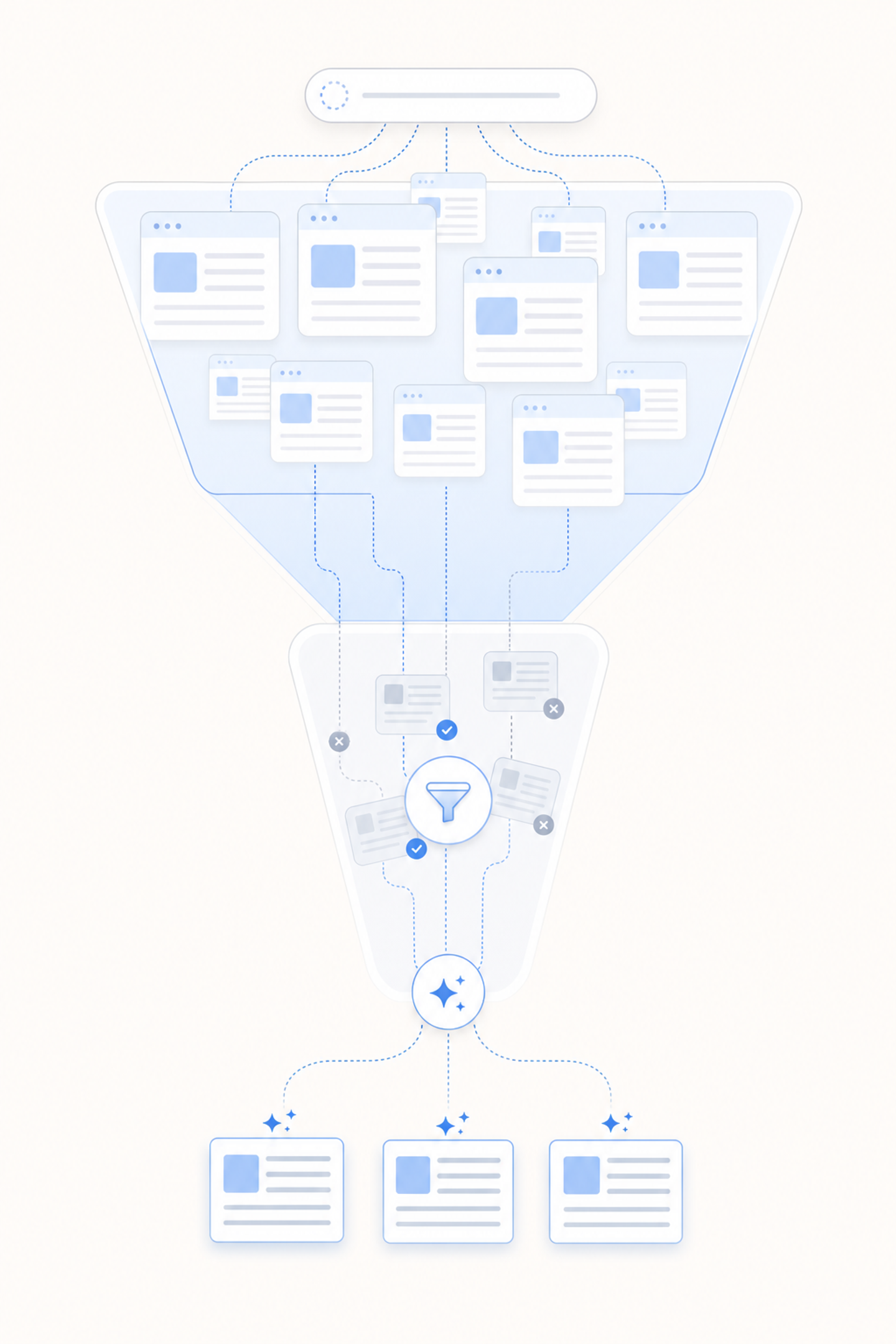
Citations work differently than rankings. ChatGPT pulls candidate pages through search, then decides which ones to name in the answer. Most get dropped in that second step. According to independent analysis, only about 15% of retrieved content actually gets cited. The rest sits in the pool, visible to the model but never surfaced to the user.
Why listen to me? I've been doing SEO for over a decade, and Maintouch serves hundreds of marketers. I built our AI Visibility product to track citations at scale, running 1,000+ concurrent queries across ChatGPT, Perplexity, and Google AI Overviews. I've watched what gets cited and what gets dropped.
My goal: you walk away knowing how to structure content so ChatGPT pulls it, and which trust signals make the model cite you instead of your competitor.
TLDR:
- ChatGPT cites only 15% of retrieved pages. Ranking on Google doesn't guarantee AI visibility.
- Sites with 32,000+ referring domains get cited 3.5x more often than sites under 200 domains.
- Wikipedia, Reddit, and YouTube dominate AI citations across all major chatbots.
- Write answers in 40-60 word blocks under question headings for clean extraction.
- Maintouch's AI Visibility product tracks citations across ChatGPT, Perplexity, and Google AI Overviews by running 1,000+ concurrent queries.
Why ChatGPT Citations Matter More Than Traditional Search Rankings
Traditional search rankings answer one question: did someone click your link? GEO vs SEO works on a different axis.
Citations answer a different one. They decide whether your brand shows up when a buyer asks the chatbot the question your product solves.
And the click is disappearing. More searches now end without anyone visiting a site. The answer shows up inline, the user moves on. If you rank third but never get pulled into the AI response, you're invisible to everyone who asked.
The traffic that does come through converts harder than ordinary organic. The visitor arrives already pre-sold by the model, a pattern HubSpot's generative engine optimization research documents across multiple AI search channels.
There's a positioning effect too. When ChatGPT names you, it hands your brand the model's implied endorsement. The user reads "according to Maintouch" without ever clicking through. A blue link never did that for you.
How ChatGPT Actually Selects Sources to Cite
Two things happen when you ask ChatGPT a question, and most people only think about the first.
Stage One: Retrieval
ChatGPT runs query fan-out, breaking a single prompt into narrower sub-queries and pulling candidate pages through Bing for each one, as documented in independent analysis of how ChatGPT selects sources. "Best SEO automation tools for B2B" splits into separate searches for pricing, features, and alternatives.
Stage Two: Citation
The model reads the retrieved pages and picks which to name. The funnel tightens hard here. According to independent analysis, only 15% of retrieved pages make the cut.
Getting retrieved and getting cited are two different problems. You can land in the candidate pool and still get dropped before the answer lands. Work them as separate jobs.
The Citation Sources That Dominate AI Answers
Most of your competitors obsess over their own site. The bigger lever sits off it.
Research analyzing hundreds of millions of AI citations shows a small cluster of third-party domains carrying most of the community and social references. Wikipedia, Reddit, and YouTube top that list by a wide margin.
If you're asking where to spend effort outside your own blog, it's those three first.
| Citation Source | Why AI Systems Pull From It | Content Type That Gets Cited |
|---|---|---|
| Wikipedia | Accurate, well-sourced entries feed the model factual grounding across all major AI chatbots | Company pages, product definitions, and verified factual entries with inline citations |
| Buyer debate threads get pulled into answers when users ask product comparison questions | Discussion threads where users compare tools, share experiences, and ask recommendation questions | |
| YouTube | Video content is increasingly mined for AI search citations alongside traditional text sources | Tutorial videos, product demos, and explainer content that answers specific how-to questions |
| High-authority domains | Sites with 32,000 or more referring domains get cited roughly 3.5 times more often than sites under 200 | In-depth articles with populated schema, clear answer blocks, and strong backlink profiles |
For more on how video sources factor into this mix, see this analysis of AI search citations from YouTube and Reddit.
Critics call this concentration a citation cartel. Whatever you call it, the visibility lives there.
Build Content Structure That AI Systems Can Extract
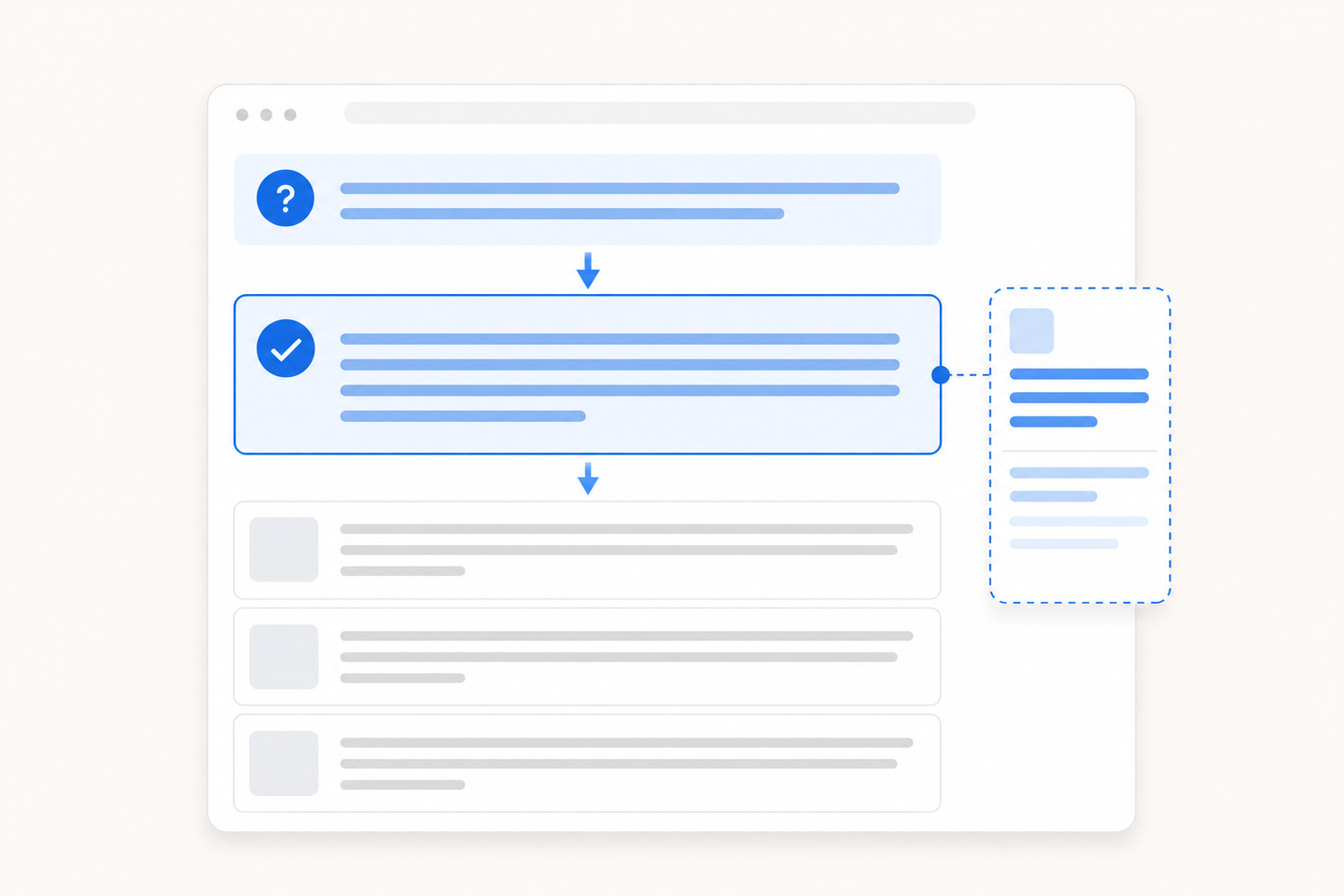
ChatGPT can only cite what it can cleanly lift off the page. If the answer is buried three paragraphs deep behind qualifiers, the model skips you for a source that states the thing plainly.
So write for extraction. Put the direct answer in the first sentence under each heading, then expand on it. Phrase your headings as the questions buyers actually type, because those map directly to the sub-queries fan-out generates.
A few formatting moves that make content easier to parse:
- Keep paragraphs to two or three sentences so one idea sits in a single liftable block.
- Lead each section with a one-sentence answer before the supporting detail.
- State facts as standalone claims with the number attached, not spread across a paragraph.
- Use descriptive subheads instead of clever ones.
The page that hands the model a clean, quotable sentence is the page that gets named.
Use Schema Markup to Increase Citation Probability
The data on schema is messy. Some studies show no link between markup and citations. Others show clear lift from specific types. My read: schema won't earn a citation by itself, but it makes your facts easier for the model to parse and trust.
The difference between schema that helps and schema that does nothing is attribute richness. Bare markup buys you almost nothing. Markup loaded with the exact facts a buyer asks about gives the model something concrete to lift.
Three types carry the weight in 2026 testing:
- FAQPage, where each question-answer pair maps to a fan-out sub-query.
- Product with pricing, availability, and ratings filled in, not blank.
- Article with named author credentials, feeding the trust signal AI weighs.
Focus on those three first. Skip generic Organization or Breadcrumb markup until the attribute-rich types are live and populated.
Optimize Domain Authority and Backlink Signals for AI Trust
Authority still does most of the work. According to industry analysis, sites with 32,000+ referring domains get cited roughly 3.5 times more often than sites under 200. That's a real threshold, and smaller players have to climb it.
If you can't out-link the big domains, lean on what you can control: tight content structure, populated schema, and placements on the high-trust third-party domains already feeding the models.
Build links deliberately on top of that. Point them at the pages you most want cited, the ones answering buyer questions, not your homepage. Backlinks and content are one push here, not two projects.
Create Answer-Optimized Content for Direct Questions
Stop targeting keywords. Answer questions instead.
ChatGPT fans every prompt into sub-questions, so content built around the exact phrasing a buyer types gets pulled before a keyword-stuffed page does.
Write the answer in a self-contained 40 to 60 word block right under the question heading. That length lifts cleanly into a response without the model having to trim or stitch paragraphs together.
Then back the claim. A sentence with a real number and a named source beats a vague assertion every time. The model favors content it can verify against something concrete.
Track and Measure Your ChatGPT Citation Performance
Track citations, not vibes.
Start with a baseline. Run 30 or more buyer-intent prompts across the chatbots your buyers actually use, and log how often you show up.
What to watch:
- Citation rate per AI tool, broken out by ChatGPT, Perplexity, and Google AI Overviews. Track each one separately since they pull from different sources.
- Mentions versus linked citations, counted apart. A name-drop without a link still moves brand recall, but a link drives traffic.
- Share of voice against named competitors, so you know where you stand in your category.
Start manual with a spreadsheet. Layer on tracking software once your baseline holds and you've got enough data to spot movement week over week.
How Maintouch Automates ChatGPT Citation Optimization at Scale
Everything above is the playbook. I built Maintouch to run it for you.
The thesis is simple. AI chatbots pull content through web search before they answer, so strong SEO feeds your citation rate directly. Maintouch treats the two as one pipeline instead of separate channels.
The pipeline starts with zero-volume queries: Search Console questions over 10 words with one or two impressions. Those serve as a proxy for what buyers are actually asking ChatGPT, Claude, and Perplexity.
Maintouch generates content by pulling citations from existing AI answers and infusing your first-party data: the unique information only you have that makes content quotable.
On the back end, the AI Visibility product tracks citations across ChatGPT, Perplexity, and Google AI Overviews. It supports 1,000+ concurrent queries, so your baseline holds at scale.
If you want me to run this for your site, just reach out.
Final Thoughts on Earning AI Citations
Most of the AI visibility lives on a handful of third-party domains, and the pages that get cited state the answer in the first sentence under each heading. That's the whole game in two sentences.
Authority still matters, but if you can't match the big domains on backlinks, lean on structure and placement instead. And track your baseline manually before you bolt on tooling. You need movement before the data means anything.
FAQ
How do I get my content cited in ChatGPT responses?
Put the direct answer in the first sentence under each heading. Phrase your subheads as actual questions buyers type. Keep paragraphs to two or three sentences so the model can lift a clean block.
Getting retrieved and getting cited are separate problems. Your page needs to hand the model a quotable sentence without making it dig.
ChatGPT citations vs traditional SEO rankings?
Traditional rankings measure clicks. Citations decide whether your brand enters the conversation when someone asks the chatbot a question your product solves.
The click is disappearing. A growing share of searches end without anyone visiting a website. If you rank third but never get pulled into the AI answer, you're invisible to everyone who asked the chatbot.
Can I get ChatGPT citations without high domain authority?
You can, but authority still does most of the work. Sites with 32,000+ domains get cited roughly 3.5 times more often than sites under 200. If you can't out-link the big domains, lean on tight content structure, populated schema, and placements on high-trust third-party domains like Wikipedia, Reddit, and YouTube that already feed the models.
What's the best schema markup for AI citations?
FAQPage, Product with pricing and availability filled in, and Article with named author credentials. Focus on those three first. Bare markup adds little. What separates schema that helps from schema that does nothing is attribute richness. Skip generic Organization or Breadcrumb markup until the attribute-rich types are live and populated.
How does ChatGPT's query fan-out work?
ChatGPT breaks your prompt into several narrower sub-queries, then pulls candidate pages through Bing search for each one separately. "Best SEO automation tools for B2B" fans into searches for pricing, features, and alternatives.
The model retrieves pages for all those sub-queries, then reads them and picks which to cite. That's why content built around the exact phrasing buyers type gets pulled before keyword-stuffed pages do.
Why do Wikipedia and Reddit get cited so often in AI answers?
AI systems trust them. Wikipedia has accurate, well-sourced entries that feed factual grounding. Reddit threads show real buyer debate and get pulled when users ask product comparison questions.
Both sit in the small cluster of third-party domains that carry most community and social references across ChatGPT, Perplexity, and other AI engines. That concentration creates a visibility advantage smaller sites can't match on authority alone.
What's the difference between getting retrieved and getting cited?
Retrieval means your page lands in the candidate pool when ChatGPT runs its search queries. Citation means the model actually names you in the answer.
Only 15% of retrieved pages get cited. The other 85% sit in the pool, visible to the model but never referenced in the response. Treat them as two separate jobs with different levers.
How long should my answer blocks be for AI extraction?
40 to 60 words. That length lifts cleanly into a ChatGPT response without the model having to trim or stitch paragraphs together. Put the direct answer in the first sentence under each question heading, then back the claim with a real number and a named source. Keep paragraphs to two or three sentences so one idea sits in a single liftable block.
Do I need to optimize separately for ChatGPT, Perplexity, and Google AI Overviews?
Track each one separately, since they pull from different sources and cite at different rates. But the underlying work is the same. Strong SEO feeds your citation rate across all three. Focus on retrieval through search visibility, then make your content easy to extract with tight structure and populated schema. The pipes overlap more than they split.
Can smaller sites compete for AI citations against high-authority domains?
You can compete, but authority still does most of the work. If you can't match the big domains on backlinks, lean on tight content structure, populated schema, and placements on high-trust third-party domains like Wikipedia, Reddit, and YouTube that already feed the models.
Point backlinks at the pages answering buyer questions, not your homepage, so every link pushes citation probability on content that matters.
Turn search into your best growth channel.
Maintouch tracks your visibility across AI and Google, creates and refreshes content, and gets your brand mentioned on the sites that shape discovery.
Book a demoRelated reading
All posts