
What Is Answer Engine Optimization? The Complete Guide for September

By Bennett Cohen
Get Maintouch
Turn search and AI visibility work into a repeatable growth system.
Stop optimizing for clicks. They're gone.
59.7% of Google searches end without anyone visiting a website (per Similarweb's 2024 zero-click study). You're chasing a metric that doesn't matter anymore.
Your prospects ask ChatGPT for vendor recommendations before they search Google. If you're not cited in those answers, you don't exist. I'll show you what AEO actually means, how it relates to generative engine optimization, and which tactics to implement without abandoning your search strategy.
TLDR:
- AEO formats content for AI chatbots to cite you when answering user queries.
- AI systems use retrieval augmented generation to pull live data instead of relying on memory.
- Schema markup and structured content let bots parse your data for citations.
- You can't track AEO with Google Analytics since AI skips your site entirely.
- Maintouch replaces your SEO/AEO agency with one system that handles strategy, content, technical SEO, backlinks, and citation tracking automatically.
What Is Answer Engine Optimization?
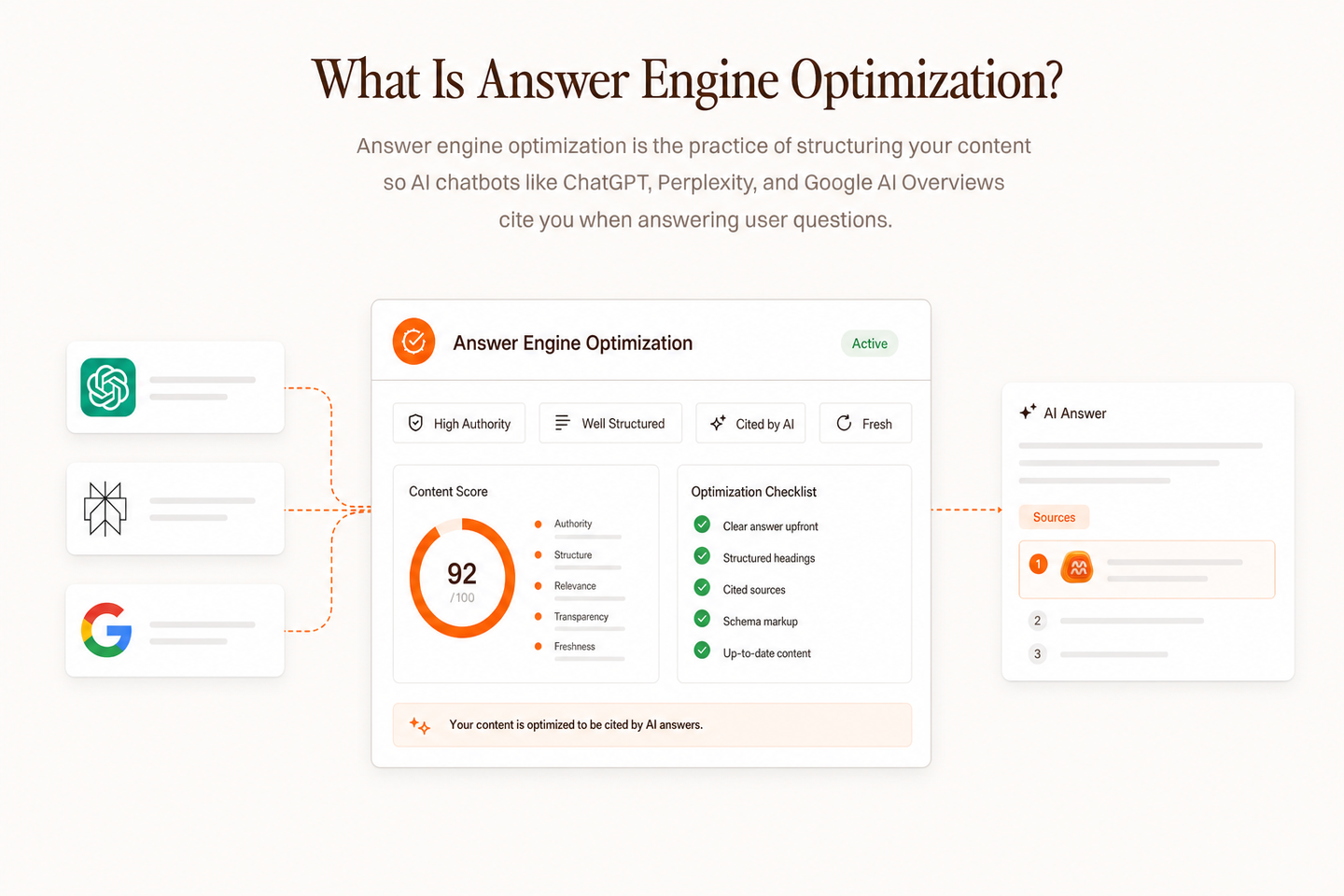
Answer engine optimization is the practice of structuring your content so AI chatbots like ChatGPT, Perplexity, and Google AI Overviews cite you when answering user questions. Instead of chasing clicks from a search results page, you format your pages for machine extraction so retrieval systems can pull direct answers, pricing, features, and comparisons straight into the chat window. The core inputs are schema markup, structured data, clear headings, and direct answers written in plain language. The output is brand mentions inside AI-generated responses, even when the user never clicks through to your site.
Why AEO Matters in 2026
Marketers watch organic traffic drop and assume Google penalized them. Wrong diagnosis. Buyers just changed channels.
They ask Perplexity which tool solves their problem. They open Claude to compare features. They let AI Overviews pre-filter options before clicking anything.
If you're not cited in those responses, you don't exist in their consideration set. You can't capture demand you never see.
Check Search Console. Zero-volume queries are questions triggering AI modes. Declining impressions on content that ranked for years means users are skipping your site for AI interfaces.
You have to format content for machine extraction if you want citations. Schema markup lets bots parse your data. Direct answers feed retrieval systems.
Don't pause SEO to chase AEO. That's a false choice. AI systems retrieve content through web search before generating answers, so the retrieval layer is identical.
Content teams that treat these as separate budgets burn cash on duplicate execution. The ones who unify them compound their work instead of splitting it.
AEO vs SEO: Understanding the Differences
Every week, a marketer asks whether to pause SEO and pivot fully to AEO. The answer is no. Agencies that sell these as separate services are billing you twice for one workflow. AI chatbots run a web search under the hood before generating answers, so the retrieval layer is the same workstream.
SEO aims to improve rankings so prospects click through to your site. AEO targets citations inside AI responses where the bot answers directly without sending traffic anywhere.
SEO chases clicks. AEO chases mentions.
How Answer Engines Work
Most marketers assume AI chatbots answer from memory. They don't. When a prospect types a question into ChatGPT, Perplexity, or AI Overviews, something else is happening underneath.
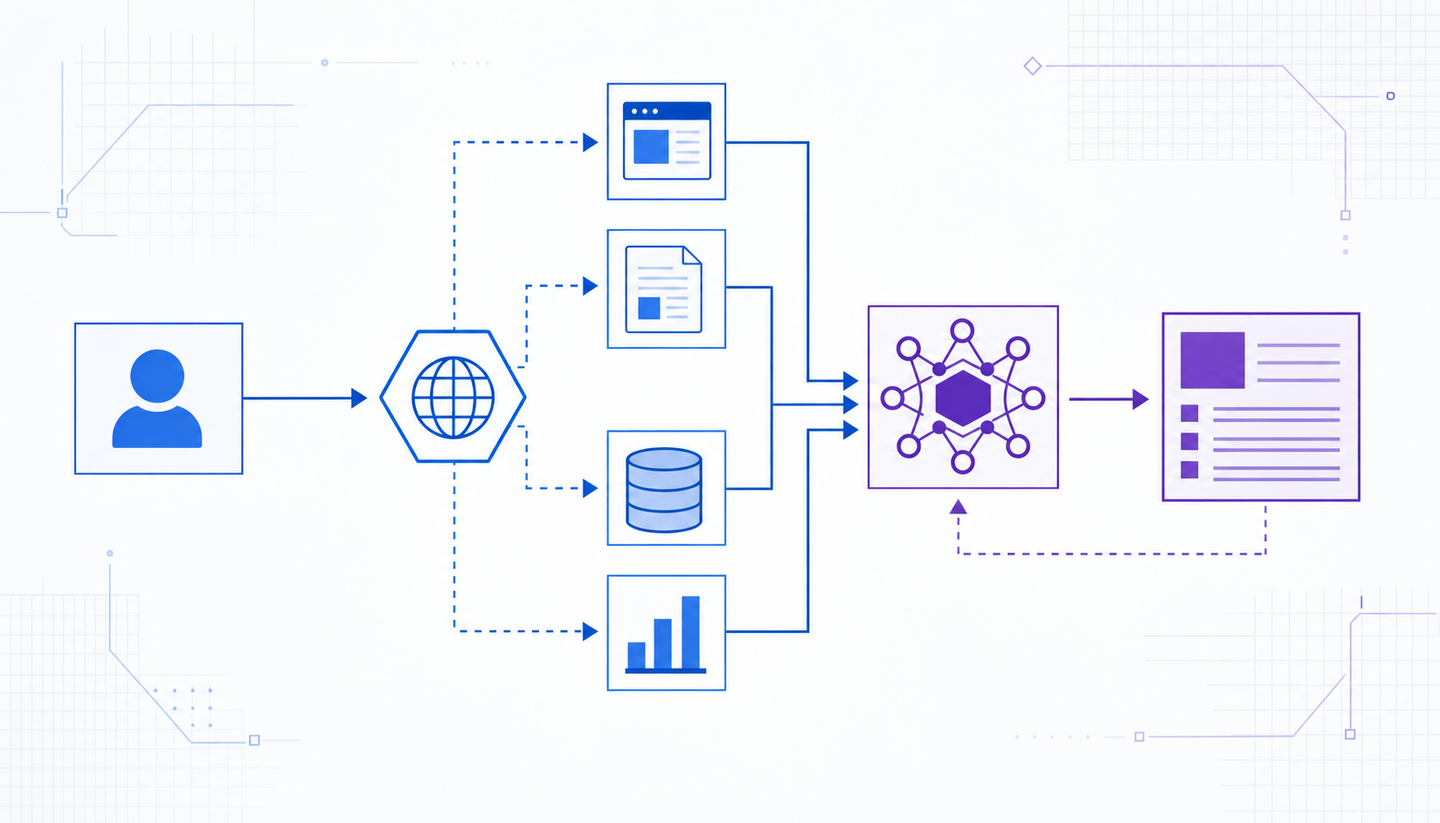
They run a process called retrieval augmented generation, powered by an AI search engine. When a user types a query, the model triggers a web search, grabs the top pages, and feeds that content back into the prompt as context. The answer you see is the model summarizing what it just read, with citations attached to the sources it leaned on.
The punchline: if your page isn't in the retrieval set, you can't be in the answer. Citations go to pages that are indexable, readable, and structured enough for the retrieval layer to surface.
Core AEO Strategies That Drive Citations
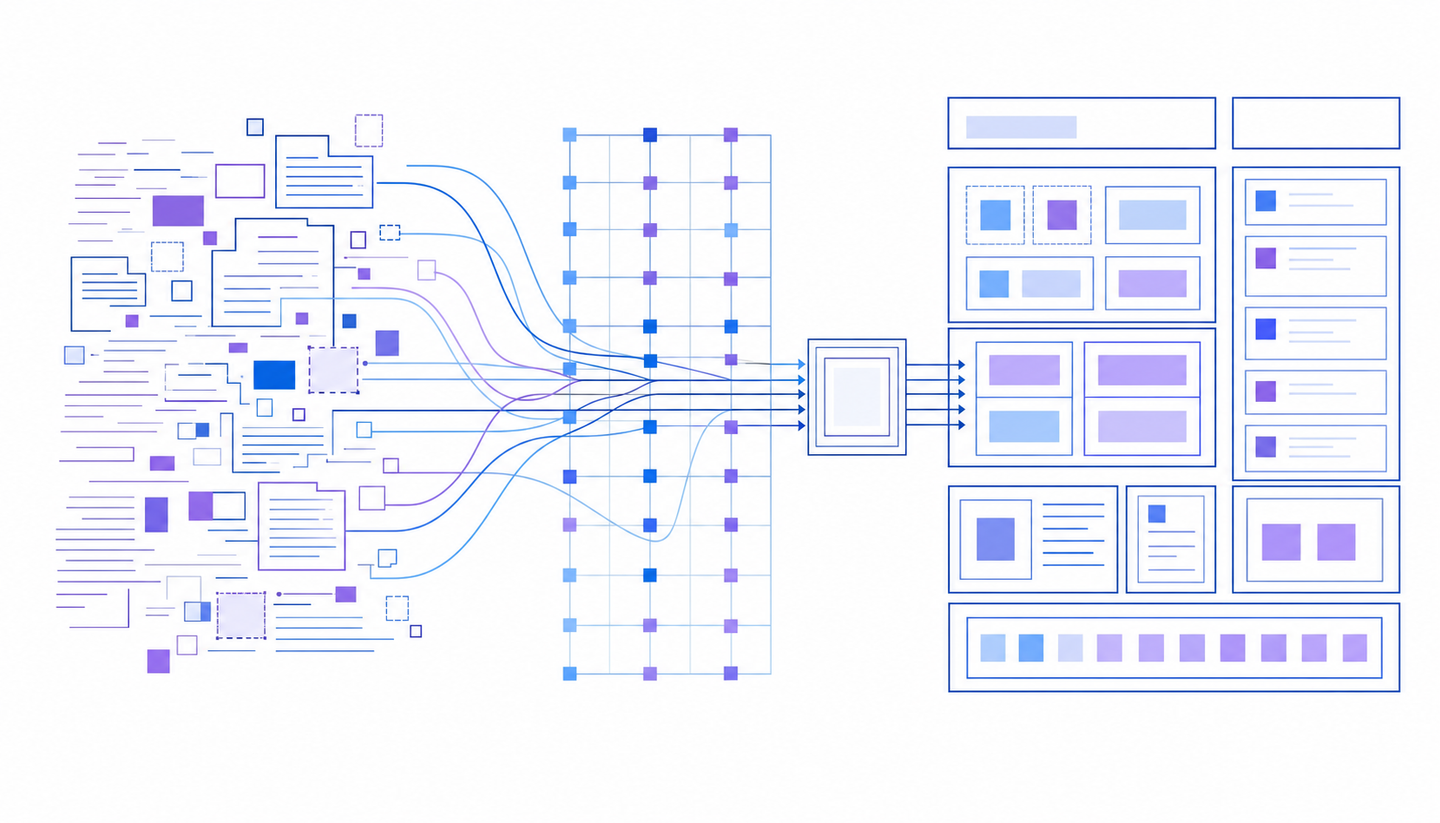
AI chatbots don't read your prose. They parse your data. A beautifully written essay with no structure gets ignored.
If you want citations, format your content for machine extraction. The core tactics, all implementable this week:
- Add schema markup (Product, Offer, FAQ, HowTo) so bots can parse your data fields directly.
- Lead each section with a one-sentence direct answer before expanding the detail.
- Break content into short paragraphs, lists, and tables that retrieval systems can extract.
- Use descriptive H2 and H3 headings that mirror the questions buyers actually ask.
Schema Markup and Structured Data
Schema markup tells AI systems what your content means instead of making them guess. Content teams skip this because they think it's too technical. You're leaving citations on the table.
Mark up your product features with Product schema, your pricing with Offer schema, your how-to content with HowTo schema. ChatGPT and Perplexity don't parse your prose looking for your pricing model. They look for structured data first, and if it's not there they move to the next result.
Schema.org defines the vocabulary. Google's structured data documentation shows you how to implement it. You don't need a developer. Most CMS tools support schema plugins that handle the markup automatically.
Answer Engine Optimization Tools
Most marketers track AI mentions by typing queries into ChatGPT and pasting answers into a spreadsheet. It eats hours and misses 90% of the surface area. A whole category of AEO tools exists to fix this.
You need LLM citation monitoring at scale. Without it, you have zero AI visibility.
Limitation: neither tracks brand mentions inside AI chatbot responses yet, so you're still blind to the surface where buyers are actually weighing you.
| Tool or System | Primary Function | Tracks AI Citations | How It Retrieves Data |
|---|---|---|---|
| ChatGPT | AI chatbot that generates answers inline without sending users to external sites | Displays citations when generating responses but does not track your brand mentions at scale | Uses retrieval augmented generation to pull live web search results before answering queries |
| Perplexity | AI search interface that answers questions directly with inline citations | Shows source citations in responses but does not provide brand mention tracking | Retrieves content through traditional web search before generating synthesized answers |
| Google AI Overviews | AI-generated answer boxes that appear in Google search results above traditional listings | Cites sources in overview responses but offers no brand tracking at scale | Pulls data from Google's existing search index using retrieval augmented generation |
| Maintouch AI Visibility | Citation monitoring system that runs queries at scale across multiple AI chatbots | Tracks when your brand appears in AI responses across 1,000+ concurrent queries | Runs automated queries through ChatGPT, Perplexity, and AI Overviews then logs citation frequency |
| Semrush | Good for traditional keyword research, rank tracking, and site audits | Limitation: no AI citation tracking, blue-link rankings only | Monitors traditional search engine results pages for ranking positions |
| Ahrefs | Good for backlink analysis and traditional keyword position tracking | Limitation: no AI chatbot citation tracking yet | Crawls the web for backlinks and tracks keyword positions in traditional search results |
Measuring AEO Performance
Google Analytics won't measure your AEO work. Marketers refresh GA4 daily waiting for a click spike that never arrives. They're watching the wrong dashboard. You need to track AI-referred traffic in GA4 through a different lens.
The old Google playbook does not work here. AI interfaces answer inside the chat window and never send the user to your domain.
When ChatGPT cites you, the prospect reads your pricing or feature breakdown inside the chat window and moves on. No click. No session. No GA event. The visit happened, you just can't see it.
You need citation tracking that logs when your brand appears in AI responses at scale.
Optimizing for Specific Answer Engines
One piece of content rarely lands across every chat interface equally. Content teams write generic AEO copy and hope ChatGPT, Perplexity, and AI Overviews all pick it up. They don't. Each engine pulls data differently and responds to different ranking signals, with crawl speeds varying by weeks. You write once, then tune per surface.
ChatGPT
ChatGPT browses with Bing under the hood and leans on pages with clear schema, direct answer paragraphs, and authoritative backlinks. Add Product, FAQ, and HowTo schema and lead each section with a one-sentence answer before expanding. Citations show up in the response sidebar when the model uses your page as a source.
Perplexity
Perplexity weights freshness and source diversity heavily. Update key pages quarterly, include explicit dates in headings and body, and make sure your page is fully server-side HTML so its crawler can read it. Pages that answer a question in the first 100 words tend to get cited inline.
Google AI Overviews
AI Overviews pull from Google's existing index, so traditional SEO signals still apply: topical authority, internal linking, and Core Web Vitals. Win the featured snippet position for a query and you usually win the AI Overview citation for the same query. Use concise definition paragraphs, lists, and tables that Google can extract directly.
Common AEO Challenges and Solutions
The biggest challenge is tracking citations without traffic. You can't use Google Analytics because AI chat interfaces skip your site. You need citation monitoring that runs queries at scale and logs when your brand appears.
That's what Maintouch AI Visibility is for. Standalone product, public API access, 1,000+ concurrent queries across ChatGPT, Perplexity, and AI Overviews.
Then there's schema paralysis: marketers assume they need a developer to mark up Product, Offer, and FAQ schema. You don't. Most CMS tools ship plugins that handle it, and Google's structured data testing tool validates your output in seconds.
Last is ROI. Citations don't convert on the same click cycle as paid search, because there is no click. Track branded queries like "[YourBrand] vs [competitor]" and "[YourBrand] pricing" in Search Console, plus direct traffic spikes within 48 hours of a known citation, as proxy signals instead of waiting on CRM attribution.
How Maintouch Unifies SEO and AEO Strategy
Writing two separate checks for SEO and AEO is how content teams burn cash. Agencies sell them as distinct channels, but the GEO best practices playbook proves they overlap. I disagree with the split.
Writing two separate checks for SEO and AEO is how content teams burn cash. Agencies sell them as distinct channels. They're the same workstream with two scoreboards.
Maintouch replaces the agency entirely. The same system builds your strategy, drafts the content, fixes technical SEO, sources backlinks, and tracks citations across ChatGPT, Perplexity, and AI Overviews, with agents executing and a dedicated strategist guiding on a standing call. You write once, format for machine extraction, and watch both search rankings and AI mentions move from one account instead of paying two retainers to do overlapping work.
The long game
SEO is like buying a house. Pay your mortgage every month and build equity over time. AEO works the same way: consistent schema, regular content updates, ongoing authority building. No shortcuts.
Don't wait for the perfect AEO strategy. Schema markup and citation tracking deliver most of the value in the first month. The rest is iteration based on what drives mentions in your target LLMs.
If you want help actually implementing this, book a demo. No forms, no sales pitch, just a conversation.
FAQ
What is answer engine optimization?
AEO means formatting your content so AI chatbots like ChatGPT, Perplexity, and AI Overviews cite you when answering questions. The goal is citations inside AI responses, not clicks to your site.
Answer engine optimization vs generative engine optimization?
Same thing, different names. Some call it GEO, others AEO, LLMO, or AI SEO. The industry hasn't standardized. I use AEO throughout this guide.
Can I measure AEO performance using Google Analytics?
No. GA tracks clicks, and AI chat interfaces skip your site entirely. You need citation tracking that runs queries at scale across ChatGPT, Perplexity, and AI Overviews and logs when your brand gets mentioned.
What are the best answer engine optimization tools?
Maintouch AI Visibility runs 1,000+ concurrent queries across ChatGPT, Perplexity, and AI Overviews to log citations. Semrush and Ahrefs don't track AI citations yet, only traditional search rankings.
Should I pause SEO to focus on AEO?
No. AI chatbots run web search under the hood before generating answers, so SEO directly feeds AEO. If your page isn't in the retrieval set, it can't end up in the citation, which means the same authority signals that earn rankings also earn AI mentions.
How long does answer engine optimization take to show results?
Don't expect a hockey stick. Citations build gradually as more queries trigger your pages into the retrieval set.
Does schema markup actually help with AI citations?
Add the markup. Most CMS plugins handle it without a developer.
Which AI chatbots should I optimize for first?
Start with ChatGPT and Google AI Overviews because they have the biggest user base, then layer in Perplexity. ChatGPT browses with Bing and rewards schema plus direct answers. AI Overviews pull from Google's index, so your existing SEO work compounds there. Perplexity weights freshness and source diversity, so it's worth tuning for once the first two are dialed in.
How do I get cited in Google AI Overviews?
Win the featured snippet for the query first. AI Overviews pull from Google's existing index, so traditional SEO signals like topical authority, internal linking, and Core Web Vitals still drive citation eligibility. Add a concise definition paragraph near the top of the page, use lists and tables Google can extract cleanly, and the same page that earns the snippet usually earns the AI Overview cite.
What content formats get cited most by AI chatbots?
Short paragraphs with direct one-sentence answers, bulleted lists, and clean comparison tables get pulled more than long prose. Lead each section with the answer, then expand. Use H2 and H3 headings that mirror the questions buyers actually type, because retrieval systems match on those headings before they parse the body.
Do backlinks still matter for answer engine optimization?
Yes. AI chatbots run a web search under the hood, and that retrieval layer still weights authority signals like backlinks to decide which pages to feed into the model's context. Pages with strong backlink profiles show up in the retrieval set more often, which is the only way to end up in the citation. The same backlink work that powers SEO powers AEO.
How often should I update content for AEO?
Refresh key pages quarterly at minimum. Perplexity especially weights freshness, and Google flags stale content for re-evaluation in AI Overviews. Include explicit dates in headings and body, update stats and citations when they shift, and re-run schema validation any time you change pricing, features, or FAQ items so AI systems don't stop citing you over a data conflict.
Turn search into your best growth channel.
Maintouch tracks your visibility across AI and Google, creates and refreshes content, and gets your brand mentioned on the sites that shape discovery.
Book a demoRelated reading
All posts